Resident Evil
Resident Evil, released in 1996, is a pioneering survival horror game that set the standard for the genre. Critics and players alike praised its atmospheric tension, challenging gameplay, and innovative storytelling.
Reviews that combine critic consensus, encyclopedia records and player opinions — in English, Korean, Japanese and Chinese.
Worth a closer look
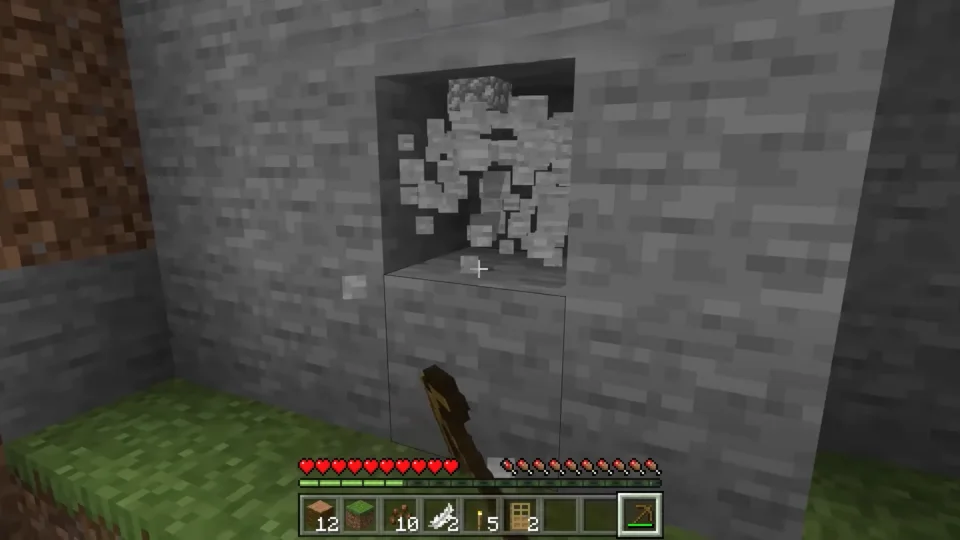
Minecraft, a survival and construction game, has earned critical acclaim for its procedurally generated worlds and open-ended gameplay, though some critics noted a lack of tutorial and dated graphics.
Read the review →Resident Evil, released in 1996, is a pioneering survival horror game that set the standard for the genre. Critics and players alike praised its atmospheric tension, challenging gameplay, and innovative storytelling.

Quake, released in 1996, is celebrated for its groundbreaking 3D engine and multiplayer capabilities, though its console ports faced criticism.
Need for Speed: Carbon received generally positive reviews for its engaging gameplay and extensive car customization options, though some critics noted issues with frustrating boss battles and performance on certain platforms.

Final Fantasy X is a critically acclaimed role-playing game praised for its visual beauty, complex narrative, and innovative gameplay systems. However, some critics found it tedious and lacking in innovation.
Diablo II, a dark fantasy hack and slash RPG, received widespread acclaim for its engaging gameplay and immersive world, cementing its status as a must-have title for fans of the genre.
Age of Mythology offers a compelling blend of historical and fantastical elements in its real-time strategy gameplay, praised for its graphics and sound but criticized for some repetitive campaign missions.
Call of Duty 3 received generally positive reviews on most platforms but faced criticism on Wii. Critics praised its sound design and multiplayer features, while noting its lack of innovation compared to its predecessors.
Call of Duty: Black Ops II offers a blend of familiar shooter mechanics and futuristic storytelling, earning praise for its narrative and multiplayer modes, but facing criticism for some technical issues and a confusing campaign.
Fallout 4 offers a rich, expansive post-apocalyptic world with deep narrative and gameplay elements, though some critics found issues with its visuals and certain gameplay mechanics.
Far Cry 4 offers a vibrant and varied Himalayan setting, mixed character development, and a gameplay experience that both builds on and diverges from its predecessor. Critics praise the game's graphics and world design, while noting areas for improvement in storytelling and character depth.
God of War received universal acclaim for its compelling narrative, intricate character development, and innovative combat system. Critics praised the game's art direction, graphics, and use of Norse mythology, making it a standout in the action-adventure genre.
RuneScape offers a classic MMORPG experience with accessible gameplay and a vast community. Critics praise its simplicity and broad appeal, while noting areas for improvement in combat and grinding.
Call of Duty 2 offers a gritty and immersive World War II experience with impressive graphics and sound, praised by critics for its realistic detail and engaging multiplayer. However, some found the regenerating health system and multiplayer limitations less appealing.
Assassin's Creed II builds upon the original's foundation with improved gameplay and a richer narrative, earning critical acclaim across multiple platforms despite some technical issues on PC.
Diablo III offers an engaging dark fantasy experience with innovative gameplay systems and a vibrant community, though it faces criticism for its always-online DRM and art direction.
Far Cry 5 received mixed reviews, praised for its gameplay but criticized for its weak story and polarizing endings. Critics noted its exploration of religious fanaticism and far-right political movements, making it both controversial and timely.
Assassin's Creed IV: Black Flag is a generally well-received game praised for its open world, naval combat, and graphics. Critics note improvements over previous entries in the series, with particular acclaim for the naval battles and side quests.
Wii Sports, released in 2006, received generally favorable reviews for its innovative motion controls and multiplayer appeal, though some critics noted its lack of depth and graphical shortcomings.

God of War, an action-adventure game developed by Santa Monica Studio, is celebrated for its compelling narrative and brutal combat. Critics praise its seamless blend of gameplay and story, though some minor flaws are noted.
The Legend of Zelda, released in 1986, pioneered the action-adventure genre, blending RPG elements with exploration and puzzle-solving. Critics praised its innovative gameplay and charming presentation, while players noted its enduring appeal and replayability.
Civilization IV, a turn-based strategy game, received universal critical acclaim for its advanced graphics, intelligent AI, and engaging multiplayer mode. It sold over 1 million units by mid-2006 and won numerous awards, including Game of the Year from GameSpy.

The Elder Scrolls IV: Oblivion is a critically acclaimed role-playing game praised for its expansive world, immersive gameplay, and stunning graphics. Critics and players alike commend its depth and flexibility, though some minor issues with dialogue and loading times are noted.
Overwatch, a first-person shooter with a diverse cast of heroes, received universal acclaim upon release for its engaging gameplay, colorful world, and approachable design. Critics praised its strong online experience and diverse character roster, while players noted its accessibility and positive atmosphere.
Call of Duty: Black Ops received generally positive reviews from critics for its engaging campaign and competitive multiplayer, but players noted technical issues and a lack of distinctiveness from previous entries in the series.

Tetris, a puzzle game released in 1984, remains a cultural phenomenon with high acclaim and numerous accolades. Critics praise its addictive gameplay and simplicity, while players appreciate its versatility across multiple platforms.

Half-Life is a groundbreaking first-person shooter that set new standards for storytelling and gameplay in the genre. Critics praise its immersive narrative and innovative design, though some find the later levels less engaging.
Half-Life 2, a first-person shooter set in a dystopian future, received near-universal acclaim for its groundbreaking physics engine, immersive storytelling, and stunning visuals. Critics praised its innovative gameplay mechanics and narrative depth, though some noted issues with the Steam platform's installation process.
BioShock, a first-person shooter with rich narrative and political undertones, received widespread acclaim for its immersive gameplay and artistic world-building. Critics praised its engaging story and innovative gameplay, though some noted issues with the Vita-Chambers system and repetitive combat.
The Legend of Zelda: Breath of the Wild is celebrated for its innovative open-world gameplay, immersive exploration, and detailed world-building. Critics praise its design and freedom, though some note technical issues.
Portal 2 is a critically acclaimed sequel that builds on the original's mechanics, offering expanded gameplay and a deeper narrative. Critics praise its innovative puzzles, engaging characters, and cooperative mode, though some note minor flaws in pacing and length.
The Last of Us Part II, a highly anticipated sequel, divides critics and players with its complex narrative and gameplay. Critics praise its storytelling, acting, and technical achievements, while others find issues with pacing and player agency.

God of War, an action-adventure game developed by Santa Monica Studio, is celebrated for its compelling narrative and brutal combat. Critics praise its seamless blend of gameplay and story, though some minor flaws are noted.